

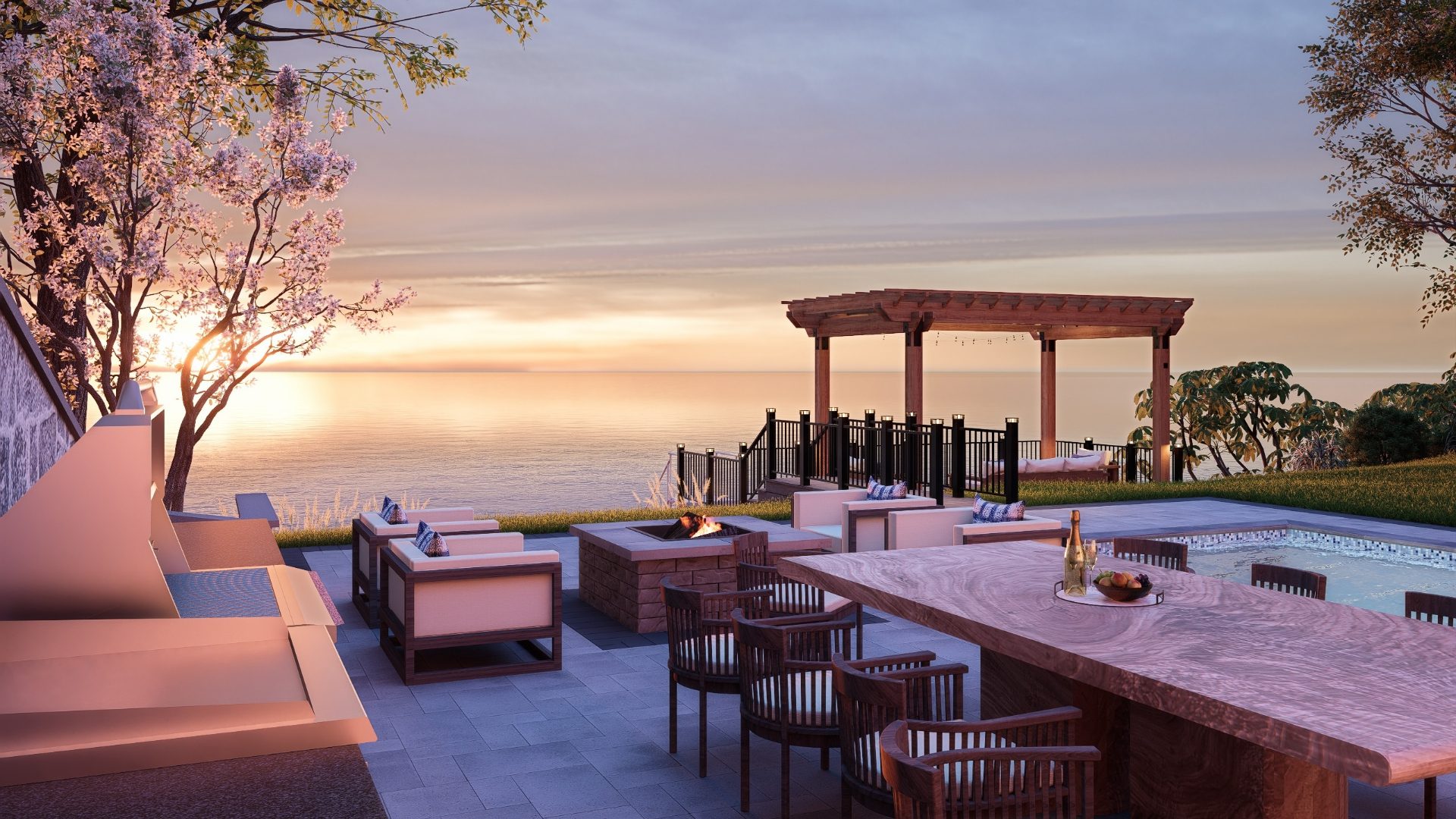

“Can you put together a few ideas so we can see what you’re thinking?”
It sounds like a small request. Then you visit the property, measure the backyard, work out a patio layout, move the outdoor kitchen, and revise the pool concept. By the time you send the estimate, you have already invested hours in a project that may never move forward.
For landscape contractors, pool builders, and outdoor living professionals, that time deserves a place in the project budget.
Charging for landscape design gives custom planning a clear scope, a defined price, and a place in your sales process. It helps you cover the work required to turn a homeowner’s wish list into a project they can understand.

Free Design Has a Real Cost
Every custom design requires time and attention. Someone has to review the property, think through the layout, prepare the presentation, and respond to feedback.
Those costs exist whether you do the work yourself, employ a designer, or hire a design partner. Start tracking your own design hours. Include the second layout, the additional meeting, and the revision you completed after dinner. That gives you a more honest picture of what your sales process costs.
Where Should a Free Consultation End?
A useful first conversation can help homeowners understand your approach, discuss their goals, and decide whether your company fits their project.
Some people describes the initial landscape consultation as an exploratory meeting about priorities, scope, and budget. It also notes that some professionals offer that meeting free while others charge. The boundary is yours to define. Here is one practical starting point:
Initial consultation
- Discuss goals and how the family wants to use the space
- Review broad budget expectations
- Share relevant examples from your portfolio
- Explain your process and likely next steps
Paid design service
- Develop a custom layout for the property
- Work through specific features and material selections
- Create project-specific 3D renderings
- Complete agreed drawings, presentations, and revisions
A straightforward replacement project may only need an estimate. A complete backyard with a pool, covered patio, outdoor kitchen, and planting plan involves more decisions.
When you begin creating the homeowner’s custom solution, make that a defined stage of the project.
What Contractors Gain From a Paid Design Process
A Clear Scope for Your Time
“Let’s try one more option” is easier to manage when everyone understands what the design package includes.
Define the number of concepts, presentation views, meetings, and revision rounds before work begins. Explain how additional requests will be priced. This gives the homeowner a clear starting point and gives your team a reasonable workload to deliver.
A paid design agreement also creates a specific commitment to the planning stage. It does not guarantee that the homeowner will hire you for construction, so budget, timing, and project fit still matter.
A More Useful Decision for the Homeowner
Homeowners need enough information to decide whether the proposed space works for them. Will the dining area feel crowded? Is the outdoor kitchen convenient to the house? Does the pool leave enough usable yard?
A thoughtful design presentation lets you work through those questions together. For example, a homeowner can compare two seating arrangements or review the relationship between a pergola and the back door before approving the layout.
Explain that value when you introduce the fee. Show what the client will receive and which decisions the design process will help them make.
What to Say When a Homeowner Asks for Free Design
Keep the explanation friendly and direct:
“We’re happy to discuss your goals, budget, and whether we’re a good fit. Once we start creating a custom layout for your property, that becomes our design service. We’ll explain the fee, what you’ll receive, and the revision process before you decide.”
If they say another contractor offers free design, help them compare the actual services
“It helps to look at what each company includes. I can walk you through our design package, show you a completed example, and explain how we use the design to develop your construction proposal.”
A homeowner can reasonably ask questions about the fee. Give them enough information to evaluate it. Your portfolio, sample deliverables, and explanation of the process should do much of the selling.
How to Start Charging for Landscape Design
You can introduce a paid design process with a clear offer and a consistent explanation.
1. Discuss Budget Before Developing the Design
Ask about the homeowner’s priorities, expected investment, and timeline.
If their wish list exceeds the budget, discuss that early. Explore a smaller scope, simpler materials, or a phased project before spending hours developing a concept they cannot pursue.
A preliminary budget conversation gives the design work a useful direction.
2. Create a Design Package People Can Understand
Describe the deliverables in plain language. Depending on the project, your package might include:
- A review of the supplied site information and project goals.
- A custom landscape or outdoor living layout.
- A specified number of 3D views.
- Material selections at an agreed level of detail.
- A defined number of revision rounds.
- A presentation meeting.
- Specified 2D drawings or a separately priced construction-plan phase.
Be precise about what is included. If engineering, surveys, permit services, or detailed construction drawings require a separate scope, say so in the proposal.
3. Price the Work You Expect to Deliver
Build your fee around the anticipated time, project complexity, revision allowance, and any outside design or drafting costs. Account for overhead and the profit you need from the service.
A flat fee can give the homeowner a clear price for a defined package. An hourly approach can also work when you explain the expected range and how additional time is approved.
Avoid choosing a fee simply because it sounds easy to sell. Compare it with the work your team will actually perform.
4. Put the Expectations in Writing
Before beginning, confirm the deliverables, fee, payment schedule, timeline, revision allowance, and how the finished materials may be used.
Explain what happens when the homeowner adds a feature or significantly changes the project. Apply the same process across your sales team so clients receive a consistent explanation.
5. Measure the Results
Track design hours, fees collected, revisions, and the number of design projects that move into construction. Review project profitability alongside lead volume. A busy pipeline can still consume too much unpaid time.
Use the results to adjust your pricing, qualification questions, and package scope.
Give Your Design Expertise a Place in the Project Budget
You put thought into how a backyard works, how it looks, and how the pieces fit together. That work deserves a defined scope and a price.
Start by deciding what your initial consultation includes. Then build a design package you can explain, price, and deliver consistently.